+61 (0) 2 9949 5354
 516 Sydney Road, Seaforth NSW
 Free Design Appointment












Back to blogs
Lay Subway Tiles The Best Way: Discover The Perfect Layout Style For Your Space


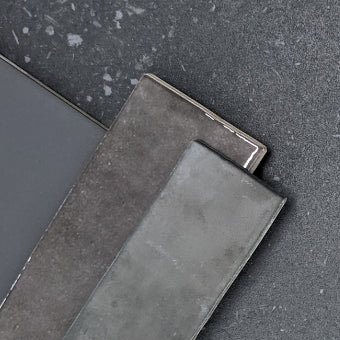
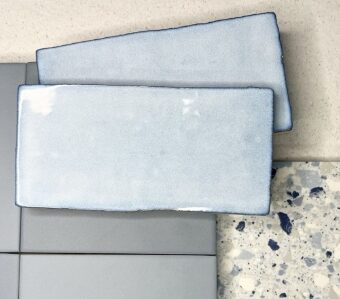
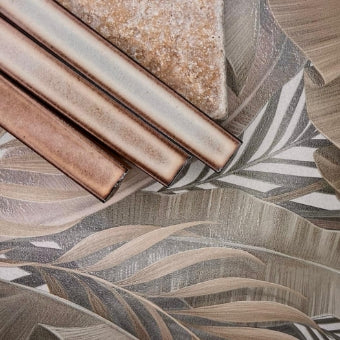
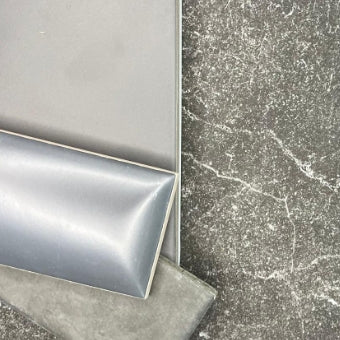
Subway Tiles and their Diversity.
Few design elements have stood the test of time quite like subway tiles. Simple yet sophisticated, these rectangular tiles have graced kitchens and bathrooms for over a century and their appeal hasn’t faded one bit.
But here’s the secret to making them truly stand out: the layout pattern.
The way you lay subway tiles can completely transform a room, from classic charm to modern edge.
In this guide, we’ll explore the most popular subway tile layouts and share expert tips on choosing the
one that best suits your style, space, and personality.
1. Classic Brick Bond

The traditional subway tile pattern. Tiles are laid in staggered rows, with each tile’s edge aligining to the center of the tile above and below.
Why it works.
Timeless and Versatile perfect for both modern and vintage interiors
Conceals uneven wallls and grout lines effectively
Works beautifully with glossy white tiles for that classic “subway station” look.
Design Tip
Pair with white or light-grey grout for a clean, understated finish — or opt for charcoal grout to create a bold, graphic effect.
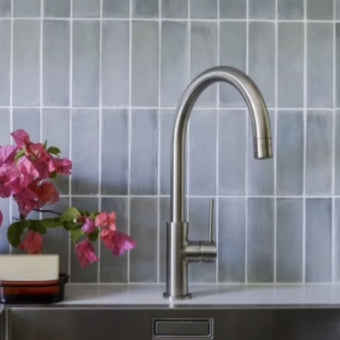
2. Vertical Stack Layout


Turn traditional on it’s head literally. The vertical stack layout features tiles aligned directly on top of each other in straight columns.
Why it works.
Creates the illusion of height, making ceilings appeal taller.
Ideal for modern or minimalist interiors.
Perfect for feature walls or narrow bathrooms.
Design Tip
Use matte tiles in neutral shades for a Scandinavian-inspired look, or glossy tiles to bounce light in smaller spaces.
3. Horizontal Stack Layout


Simple, structured and modern. This Layout keeps tiles in straight horizontal lines rather than offset rows.
Why it works.
Highlights clean geometry and symmetry
Ideal for contemporary kitchens or laundry splash backs
Easier to install for DIY projects
Design Tip
Use contrasting grout to emphasize the linear effect. Perfect for a minimalist design statement.
4. Herringbone Layout


Dynamic and eye-catching, the herringbone pattern lays tiles in a zig-zag formation in either 45° or 90° angles. It’s a favorite for those wanting a designer finish.
Why it works.
Adds movement and texture to walls and floors
Ideal for feature walls, shower niches or kitchen backsplashes
Makes smaller areas appear more detailed and luxurious
Design Tip
Keep the grout neutral to let the pattern shine or go bold with color for high impact.
5. Vertical Offset
This layout takes the classic running bond and flips it vertically. Tiles are stacked in columns, but offset like bricks.
Why it works.
Draws the eye upward, adding height and elegance
Offers a modern twist on the traditional subway tile layout
Perfect for accent walls or narrow shower spaces
Design Tip
Use elongated subway tiles for an elegant, architectural effect.
Conclusion
Subway tiles may be simple in shape, but their design potential is anything but basic. Whether you prefer the classic brick bond, the elegant herringbone, or a minimal stacked layout, the way you lay your tiles sets the tone for your entire room.
Choose a layout that reflects your personal style and don’t be afraid to mix patterns across different areas for added depth and personality.
Keep Reading
Previous Blog
Preparing for the Trend Changes in 2026. How to Keep Up with the Latest in our busy lives.
Introduction Hello 2026! The new year is here and it comes with a whole new set of design trends that will shape how we decorate and style our homes....
Next Blog
Refresh Our Spaces for the New Year: The Ultimate Guide to a “New Year, New Space”.
Introduction The start of a new year is the perfect opportunity to give your home a fresh look. Whether you’re looking to upgrade your tiles, introduce stylish new...
- Choosing a selection results in a full page refresh.